Drain Field Replacement in Austin, TX
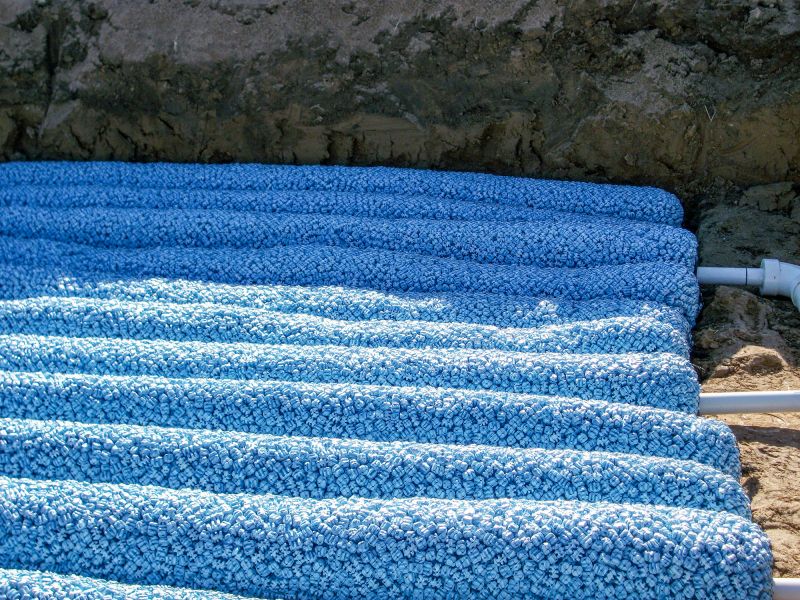
Drain field replacement involves removing and installing a new underground system that disperses wastewater from a septic tank into the soil. This service is typically needed when the existing drain field has failed, often due to soil clogging, system age, or improper installation. Projects can range from replacing a small section to installing an entirely new drain field for an entire property, ensuring proper wastewater treatment and preventing potential health hazards or property damage.
Homeowners considering drain field replacement should understand the importance of assessing the current system’s condition and the property’s soil and drainage capabilities. Factors such as system size, local regulations, and property layout can influence the scope of the project. Proper planning and understanding of these elements can help property owners determine the best approach for maintaining a functional and compliant septic system.
Many property owners in Austin, TX look into Drain Field Replacement for repairs, replacements, upgrades, and appearance-related improvements.
Signs You Need A Drain Field Replacement
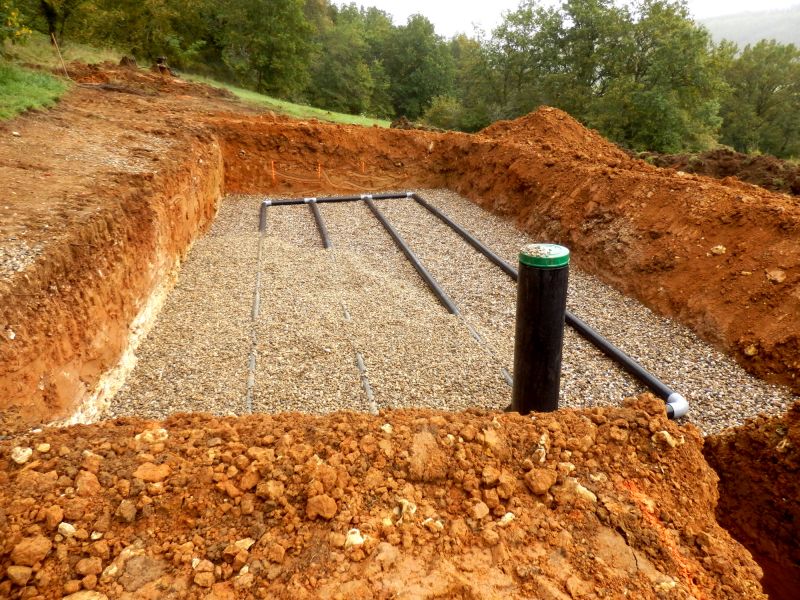
Persistent sewage odors or lush patches of grass can indicate drain field issues.
Drain Field Replacement Process
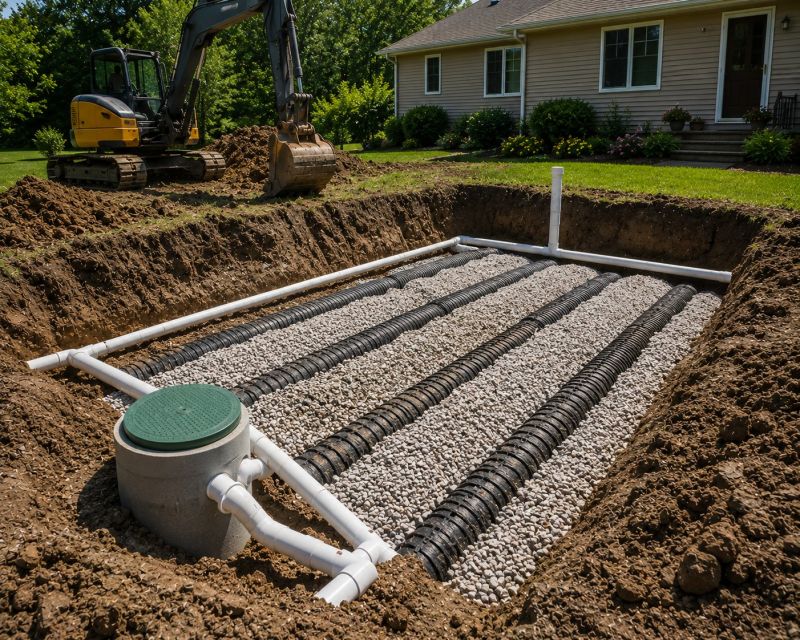
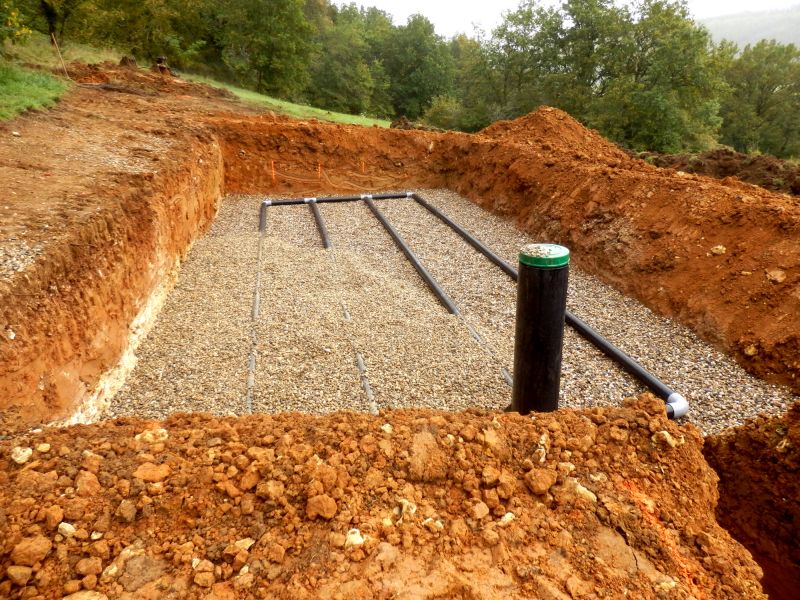
Replacing a drain field involves assessing soil conditions and installing new underground piping systems.
Why Choose Professional Drain Field Services
Expert installation ensures reliable wastewater management for homes and properties in austin, tx.
Drain Field Replacement in Austin, TX

Drain field replacement involves removing and installing a new underground system that disperses wastewater from a septic tank into the soil. This service is typically needed when the existing drain field has failed, often due to soil clogging, system age, or improper installation. Projects can range from replacing a small section to installing an entirely new drain field for an entire property, ensuring proper wastewater treatment and preventing potential health hazards or property damage.
Homeowners considering drain field replacement should understand the importance of assessing the current system’s condition and the property’s soil and drainage capabilities. Factors such as system size, local regulations, and property layout can influence the scope of the project. Proper planning and understanding of these elements can help property owners determine the best approach for maintaining a functional and compliant septic system.
Many property owners in Austin, TX look into Drain Field Replacement for repairs, replacements, upgrades, and appearance-related improvements.
Common Drain Field Replacement Jobs
Drain Field Replacement - replaces aging or failing drain fields to restore proper sewage disposal.
Septic System Upgrade - installs new drain fields to improve system efficiency and prevent backups.
Drain Field Repair - addresses damaged or clogged drain fields to extend their lifespan.
Drain Field Installation - sets up new drain fields for properties without existing septic systems.
Drain Field Assessment - evaluates the condition of existing drain fields to determine the need for replacement.
Drain Field Maintenance - provides inspections and maintenance to help avoid costly replacements.
Drain Field Replacement Questions
What is drain field replacement? It involves removing and installing a new drain field system to ensure proper wastewater dispersal from a septic system.
When is drain field replacement necessary? Replacement is needed if the existing drain field is failing, causing pooling, odors, or backups in the property.
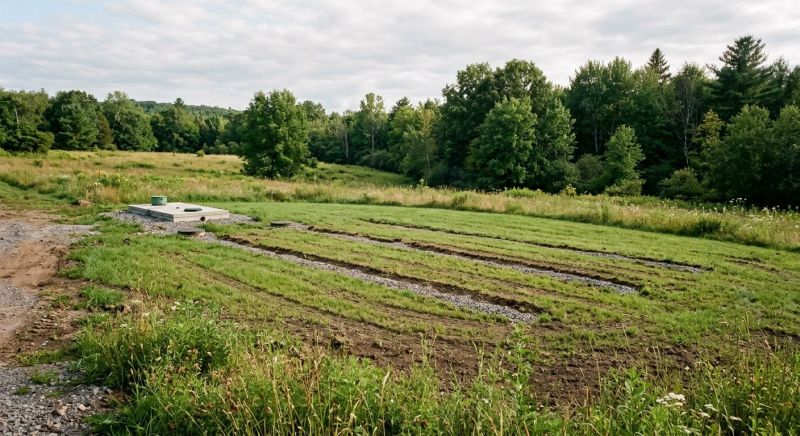
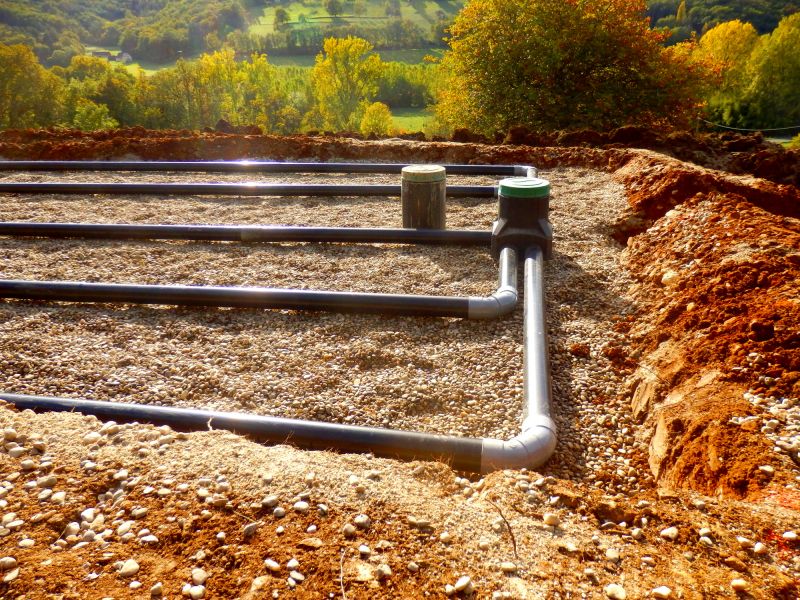
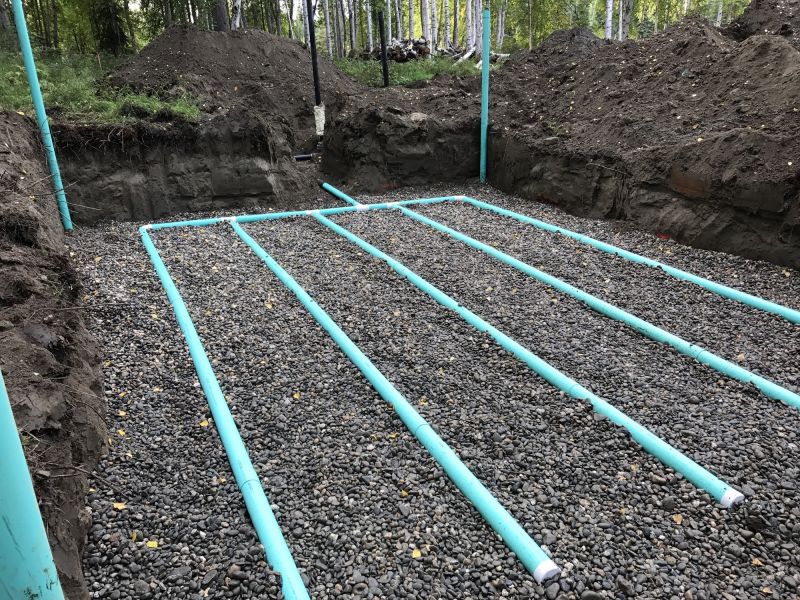
What types of drain fields can be installed? Common options include gravel trenches, chamber systems, or alternative drain field designs suited to the property’s soil and layout.
What should property owners consider before replacement? It’s important to evaluate soil conditions, property size, and system design to ensure effective and long-lasting installation.
Request Drain Field Replacement in Austin, TX
Use the quote form on this page to share the basics of your project and request more information for the type of work you need.