Septic Tank Replacement in Denver, CO
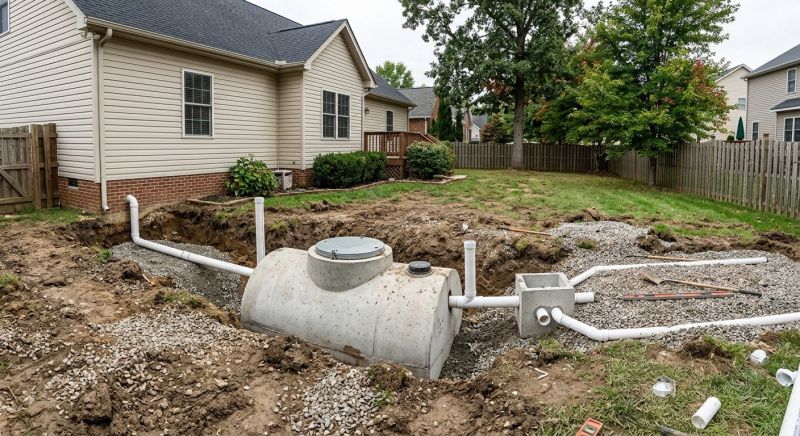
Septic tank replacement services involve removing an existing septic system and installing a new tank to ensure proper waste management for residential properties. This service is typically needed when a septic tank becomes damaged, corroded, or no longer functions effectively, often due to age or heavy use. Projects can range from replacing a small residential tank to upgrading larger systems for properties with increased wastewater needs. Property owners should understand the importance of proper sizing, site preparation, and adherence to local codes and regulations before requesting a replacement to ensure the new system operates reliably and meets all requirements.
Before requesting septic tank replacement, homeowners usually want to know about the signs indicating a system needs attention, such as persistent backups, foul odors, or standing water near the drain field. It’s also helpful to consider the location of the existing tank, access for removal and installation, and the potential impact on landscaping or existing structures. Understanding these aspects can help property owners plan for the project and ensure the new septic system is installed efficiently and in compliance with local standards.
Many property owners in Denver, CO look into Septic Tank Replacement for repairs, replacements, upgrades, and appearance-related improvements.
Signs You Need A New Septic Tank
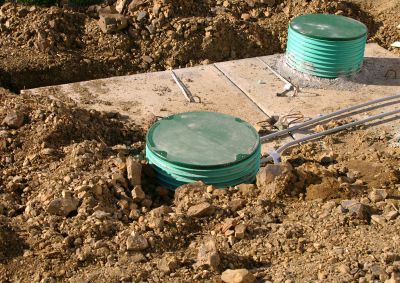
Persistent odors, slow drains, or sewage backups can indicate the need for replacement.
Benefits Of Septic Tank Replacement
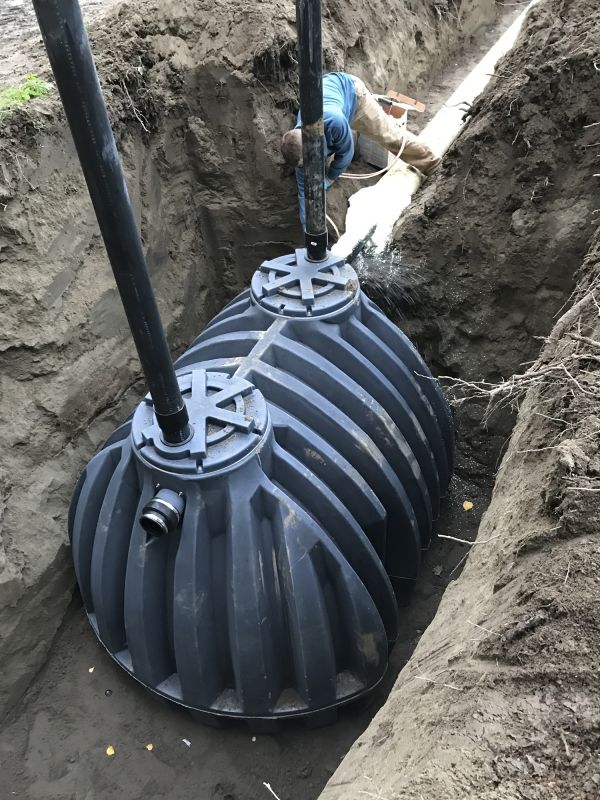
Upgrading your septic system can improve functionality and prevent costly repairs.
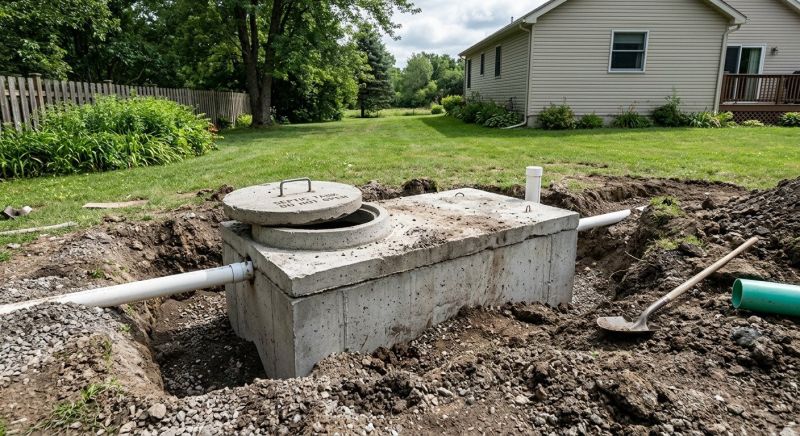
What To Expect During Replacement
The process involves removing the old tank and installing a new, properly functioning system tailored to your property.
Septic Tank Replacement in Denver, CO

Septic tank replacement services involve removing an existing septic system and installing a new tank to ensure proper waste management for residential properties. This service is typically needed when a septic tank becomes damaged, corroded, or no longer functions effectively, often due to age or heavy use. Projects can range from replacing a small residential tank to upgrading larger systems for properties with increased wastewater needs. Property owners should understand the importance of proper sizing, site preparation, and adherence to local codes and regulations before requesting a replacement to ensure the new system operates reliably and meets all requirements.
Before requesting septic tank replacement, homeowners usually want to know about the signs indicating a system needs attention, such as persistent backups, foul odors, or standing water near the drain field. It’s also helpful to consider the location of the existing tank, access for removal and installation, and the potential impact on landscaping or existing structures. Understanding these aspects can help property owners plan for the project and ensure the new septic system is installed efficiently and in compliance with local standards.
Many property owners in Denver, CO look into Septic Tank Replacement for repairs, replacements, upgrades, and appearance-related improvements.
Common Septic Tank Replacement Jobs
Septic Tank Replacement - involves removing an outdated or damaged tank and installing a new system to ensure proper waste management.
Septic System Upgrades - includes replacing aging tanks to improve efficiency and reduce the risk of system failures.
Tank Size and Capacity Changes - tailored replacements to accommodate property growth or increased household usage.
Leach Field and Drainage System Replacement - updating associated components to prevent backups and improve soil absorption.
Emergency Septic Replacement - addressing urgent system failures to restore proper waste disposal quickly.
Customized Septic Solutions - providing tailored replacement options based on property size and usage needs.
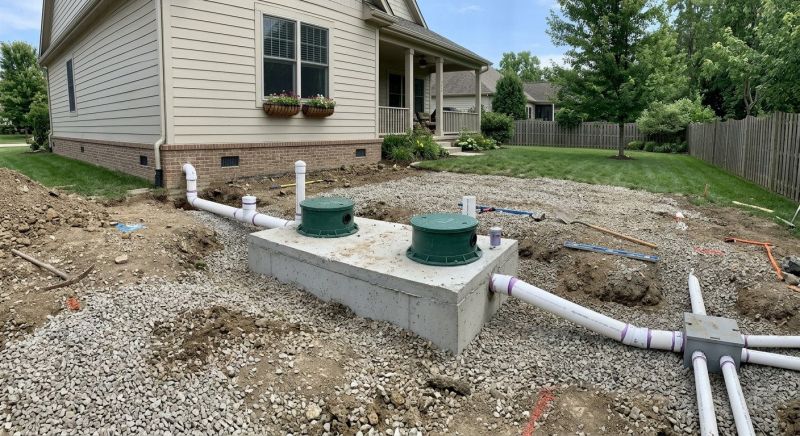
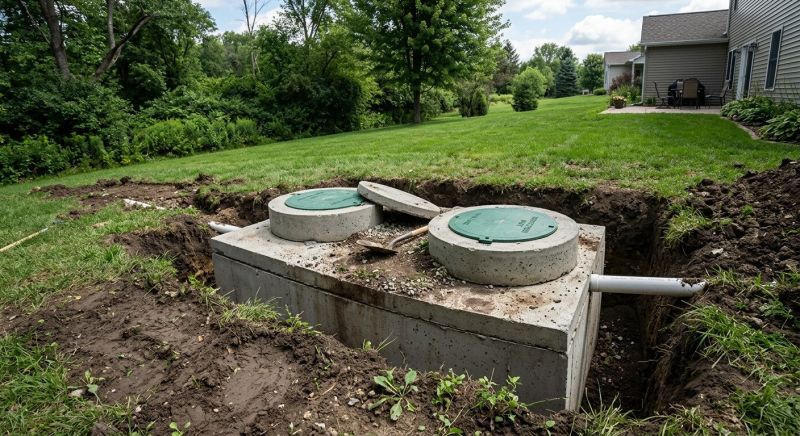
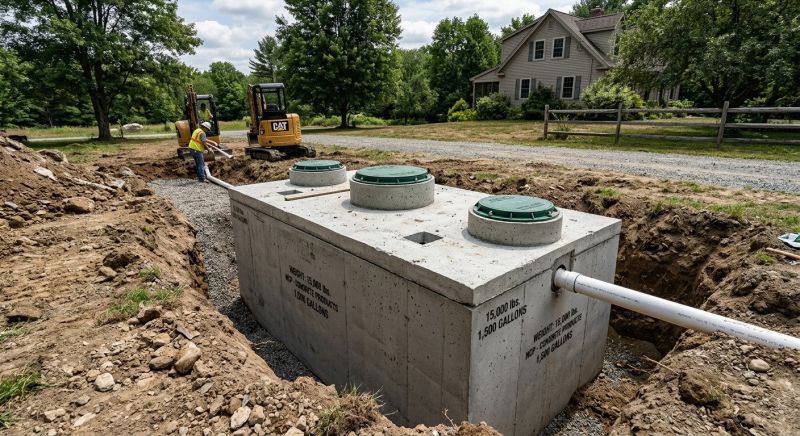
Septic Tank Replacement Questions
What signs indicate a septic tank needs replacement? Signs include persistent odors, slow drains, and sewage backups in the property.
Is septic tank replacement necessary for system failure? Replacement is often required when the existing tank is beyond repair or causes ongoing issues.
What types of septic tanks are available for replacement? Options typically include concrete, plastic, or fiberglass tanks, chosen based on property needs and conditions.
How does property size affect septic tank replacement? Larger properties may require bigger tanks or multiple systems to handle increased wastewater volume.
Request Septic Tank Replacement in Denver, CO
Use the quote form on this page to share the basics of your project and request more information for the type of work you need.