Septic Plumbing Installation in Columbus, OH
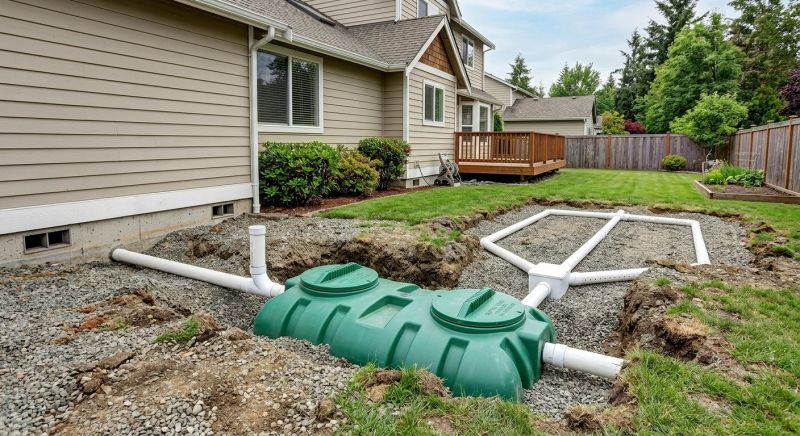
Septic plumbing installation involves setting up a wastewater management system that processes and disposes of sewage on a property. This service is essential for homes and properties without access to municipal sewer lines, covering projects such as installing new septic tanks, leach fields, and associated piping. Property owners typically want to understand the scope of the installation process, the types of septic systems available, and what preparations are needed before beginning work. Clarifying these details helps ensure the system is properly designed to meet household needs and local regulations.
Before requesting septic plumbing installation, property owners should consider factors like the size of the household, property size, soil conditions, and local code requirements. It’s also important to evaluate the location for the septic system to ensure proper drainage and accessibility for maintenance. Understanding these aspects can help in selecting the appropriate system and planning for any necessary permits or site modifications, leading to a smooth installation process that supports long-term functionality.
Many property owners in Columbus, OH look into Septic Plumbing Installation for repairs, replacements, upgrades, and appearance-related improvements.

Septic System Setup
Proper installation ensures reliable waste management for residential and commercial properties in columbus, oh.
Drainage And Pipe Connections
Efficient plumbing connections are essential for the smooth operation of septic systems in your property.
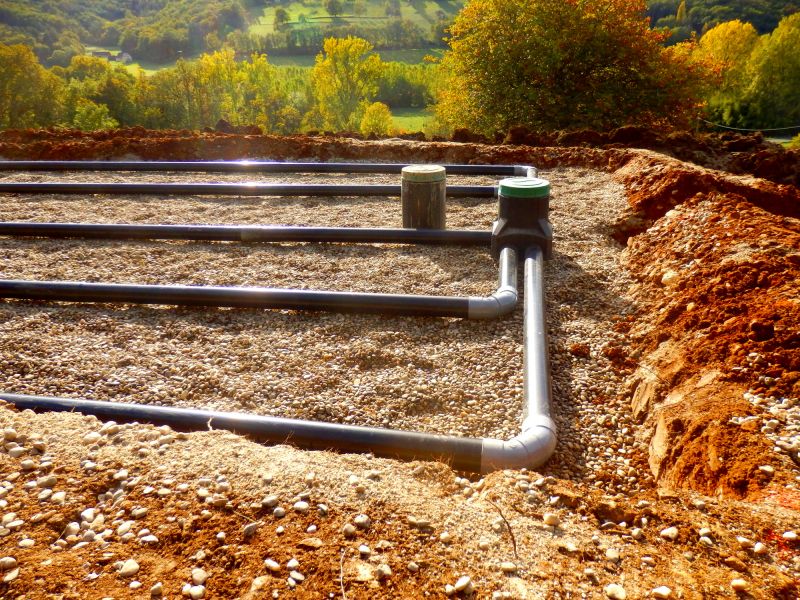
Maintenance And Troubleshooting
Regular checks and professional repairs help prevent system failures and extend the lifespan of septic plumbing.
Septic Plumbing Installation in Columbus, OH

Septic plumbing installation involves setting up a wastewater management system that processes and disposes of sewage on a property. This service is essential for homes and properties without access to municipal sewer lines, covering projects such as installing new septic tanks, leach fields, and associated piping. Property owners typically want to understand the scope of the installation process, the types of septic systems available, and what preparations are needed before beginning work. Clarifying these details helps ensure the system is properly designed to meet household needs and local regulations.
Before requesting septic plumbing installation, property owners should consider factors like the size of the household, property size, soil conditions, and local code requirements. It’s also important to evaluate the location for the septic system to ensure proper drainage and accessibility for maintenance. Understanding these aspects can help in selecting the appropriate system and planning for any necessary permits or site modifications, leading to a smooth installation process that supports long-term functionality.
Many property owners in Columbus, OH look into Septic Plumbing Installation for repairs, replacements, upgrades, and appearance-related improvements.
Common Septic Plumbing Installation Jobs
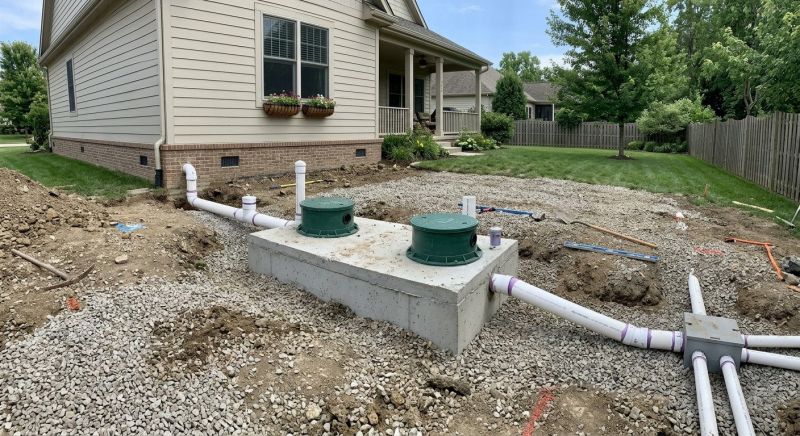
Septic Tank Installation - Proper placement and setup of new septic tanks for residential properties.
Septic System Design - Customized planning to ensure efficient and compliant septic system layouts.
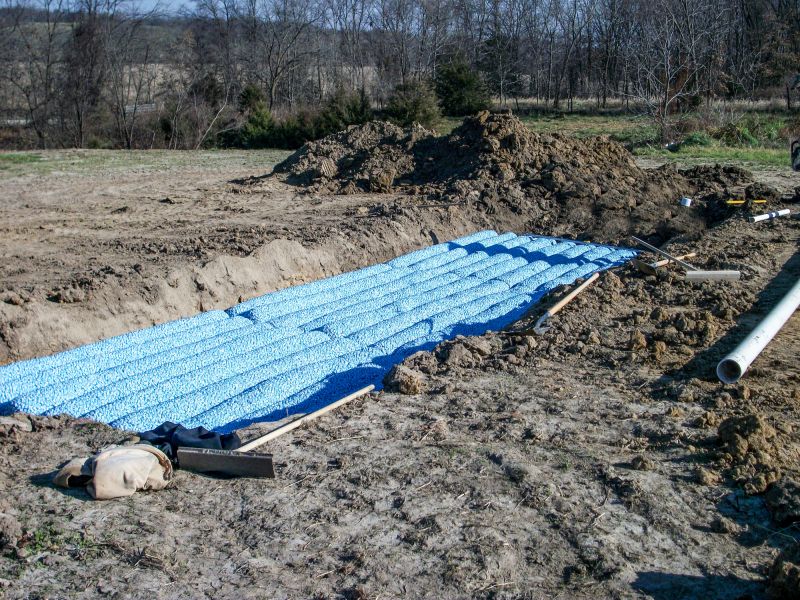
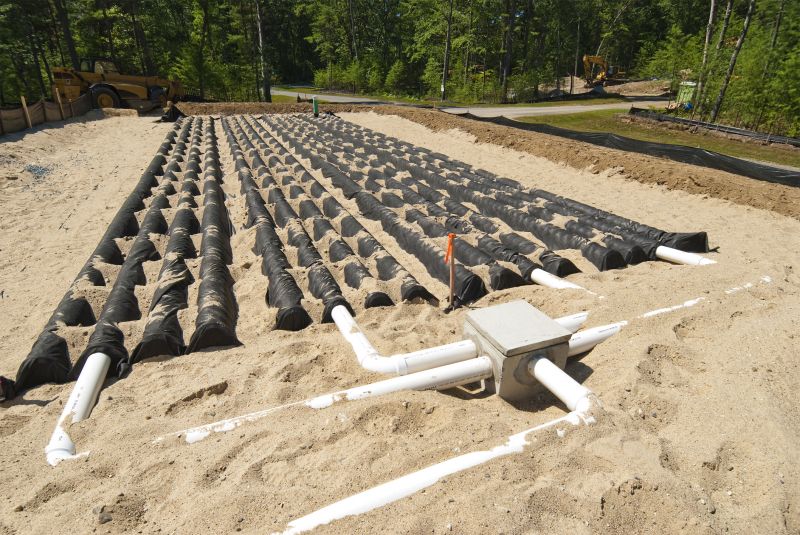
Drain Field Installation - Installing drain fields that support effective wastewater dispersal.
Septic Line Connections - Connecting plumbing lines securely to ensure leak-free operation.
Septic System Inspection - Evaluating existing systems to identify installation needs or issues.
Septic System Upgrades - Updating or expanding septic systems to meet changing property requirements.
Septic Plumbing Installation Questions
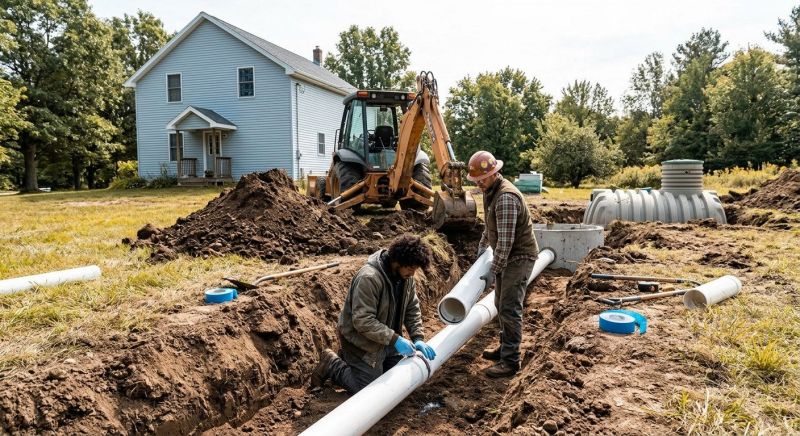
What is involved in septic plumbing installation? The process includes designing the system layout, excavating for the tank and pipes, and connecting to the property’s drain field to ensure proper waste flow.
When should a new septic system be installed? Installation is typically needed for new properties or when existing systems fail or no longer meet the property’s needs.
What types of septic tanks are commonly installed? Common options include concrete, plastic, and fiberglass tanks, chosen based on property size and soil conditions.
What should property owners consider before installation? It’s important to evaluate soil suitability, space availability, and local regulations to ensure a proper and compliant system setup.
Request Septic Plumbing Installation in Columbus, OH
Use the quote form on this page to share the basics of your project and request more information for the type of work you need.