Sewer Replacement in Denver, CO
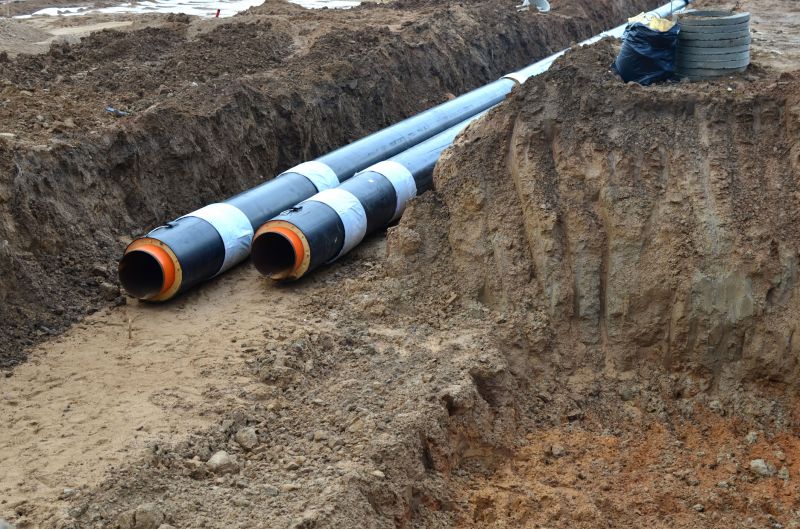
Sewer replacement services involve removing and installing new sewer lines to ensure proper waste removal and prevent potential plumbing issues. These projects are typically needed when existing sewer lines are damaged, cracked, or severely clogged, which can lead to backups, leaks, or property damage. Homeowners often request sewer replacement when experiencing frequent drain problems, persistent odors, or after detecting signs of pipe deterioration, especially in older properties or areas with shifting soil. Understanding the scope of the project, including the extent of pipe damage and the type of replacement method used, is important before requesting service.
Before initiating a sewer replacement, property owners usually want to know about the process involved, potential disruptions, and the materials used for the new sewer lines. It’s also helpful to understand the reasons for replacement, such as root intrusion or aging infrastructure, and any necessary permits or inspections. Clarifying these details can help ensure the project proceeds smoothly and aligns with the property’s needs, providing reliable waste management for years to come.
Many property owners in Denver, CO look into Sewer Replacement for repairs, replacements, upgrades, and appearance-related improvements.
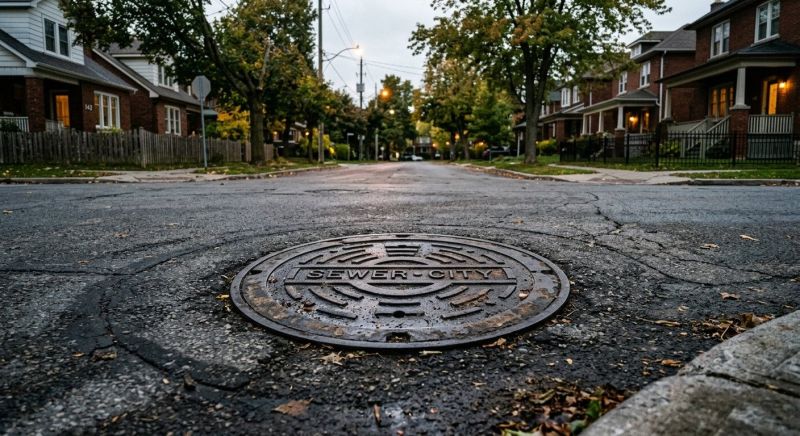
Signs Of Sewer Line Damage
Indicators like persistent backups, foul odors, or slow drains may suggest sewer issues that need replacement.
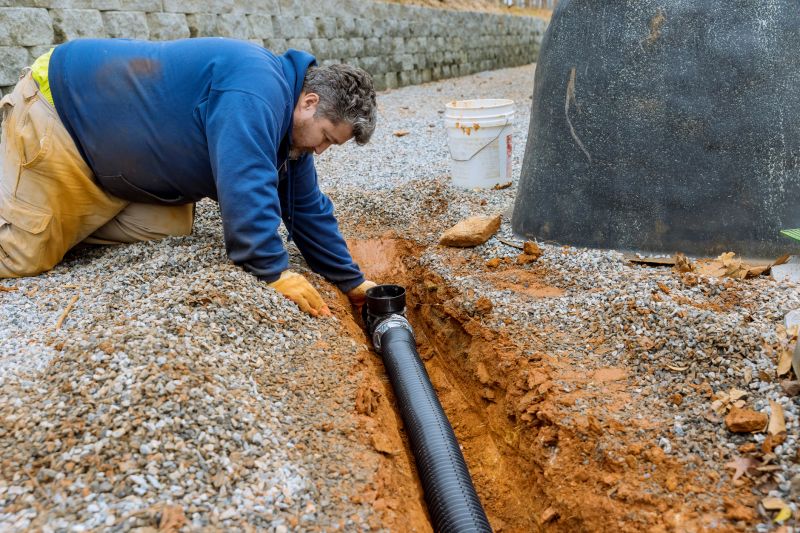
Benefits Of Sewer Replacement
Upgrading your sewer system can improve flow, prevent leaks, and protect your property from costly damage.
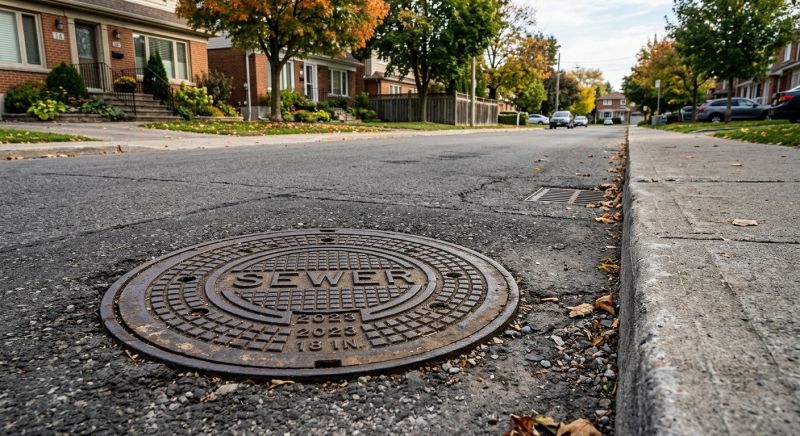
Common Replacement Methods
Techniques such as pipe relining or full pipe replacement are used based on the extent of the sewer system's condition in denver homes.
Sewer Replacement in Denver, CO

Sewer replacement services involve removing and installing new sewer lines to ensure proper waste removal and prevent potential plumbing issues. These projects are typically needed when existing sewer lines are damaged, cracked, or severely clogged, which can lead to backups, leaks, or property damage. Homeowners often request sewer replacement when experiencing frequent drain problems, persistent odors, or after detecting signs of pipe deterioration, especially in older properties or areas with shifting soil. Understanding the scope of the project, including the extent of pipe damage and the type of replacement method used, is important before requesting service.
Before initiating a sewer replacement, property owners usually want to know about the process involved, potential disruptions, and the materials used for the new sewer lines. It’s also helpful to understand the reasons for replacement, such as root intrusion or aging infrastructure, and any necessary permits or inspections. Clarifying these details can help ensure the project proceeds smoothly and aligns with the property’s needs, providing reliable waste management for years to come.
Many property owners in Denver, CO look into Sewer Replacement for repairs, replacements, upgrades, and appearance-related improvements.
Common Sewer Replacement Jobs
Sewer Replacement - involves removing and installing new sewer lines to ensure proper waste flow.
Trenchless Sewer Replacement - minimizes surface disruption by replacing pipes through underground methods.
Full Sewer Line Replacement - replaces aging or damaged sewer lines to prevent leaks and backups.
Sectional Sewer Repairs - targets specific damaged sections for efficient pipe restoration.
Emergency Sewer Replacement - addresses urgent issues like major blockages or collapses quickly.
Underground Sewer Pipe Replacement - involves replacing pipes beneath the property to prevent future problems.
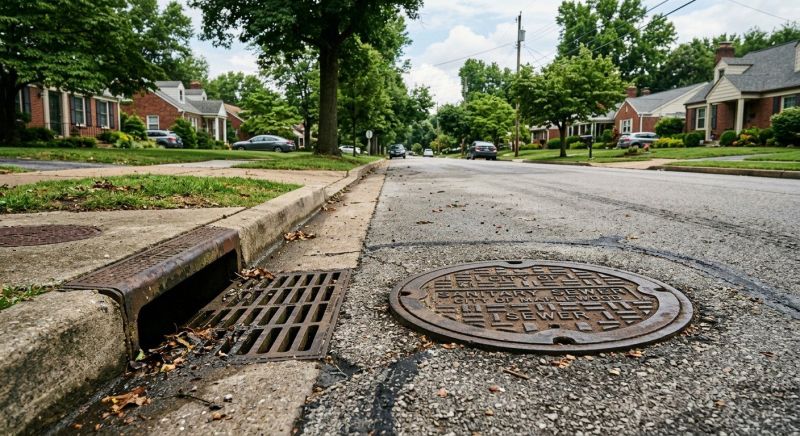
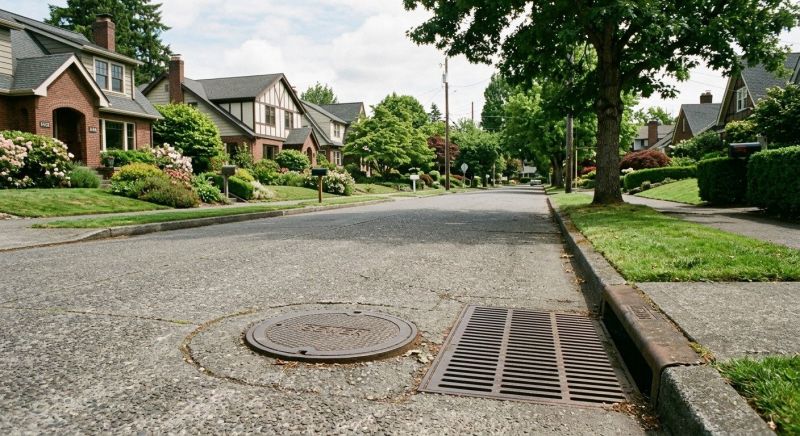
Sewer Replacement Questions
What are signs that sewer replacement may be needed? Indicators include persistent backups, foul odors, slow drains, or visible damage to sewer pipes underground.
How does sewer replacement impact a property? It ensures proper waste removal, reduces the risk of backups, and helps maintain the overall health of the plumbing system.
What types of sewer replacement options are available? Common options include pipe lining, pipe bursting, and traditional pipe replacement, depending on the condition of existing sewer lines.
What should property owners consider before scheduling sewer replacement? It’s important to assess the condition of existing pipes, understand the scope of work, and plan for any necessary access points or permits.
Request Sewer Replacement in Denver, CO
Use the quote form on this page to share the basics of your project and request more information for the type of work you need.